Pass4Museum
The full archive

The complete archive — 98 notes across 30 places.

Every note Pass4Museum keeps, organised by region and linked to the section that holds the full text. All of it is open to read with no account and no paywall. The archive leans toward the Cairo-to-Aswan corridor, the route most readers travel, with Alexandria and the Sinai monastic sites covered more lightly. Each note carries the date it was last checked and the initials of the volunteer who walked it, plus any reader corrections merged since.

If a place you want is missing, write in — every request is read and queued, and about half of the queue gets written within a year. We cannot promise to cover everything, because we are a small volunteer group and we only write about places we have walked ourselves. But the queue is a real queue, not a wish-list we ignore, and a reader who offers to walk a new place often becomes the reason it gets added.

Cairo & Giza · 34 notes

Cairo, Giza, Memphis and Saqqara

The largest part of the archive — the Cairo museums, the Giza plateau, the Saqqara and Dahshur necropoles, Coptic and Islamic Cairo, the Khan and the Nile-side strip. Re-walked each season.

Egyptian Museum Cairo gallery
Cairo · 13 notes

The Cairo museums

The Egyptian Museum on Tahrir, the Grand Egyptian Museum at Giza, the National Museum of Egyptian Civilisation, the Coptic Museum, the Museum of Islamic Art and the smaller collections — each with the ticket breakdown, the room worth your hour and the side door.

Checked Apr 2026 · L.H.Open section →
Giza pyramids
Giza & Saqqara · 12 notes

Pyramids and necropoles

The Giza pyramids and Sphinx, the Step Pyramid of Djoser at Saqqara, the Serapeum, the Dahshur Bent and Red pyramids, Memphis — with a half-day plan combining Saqqara and Dahshur from Cairo.

Checked Mar 2026 · L.H.Open section →
Coptic Cairo
Old & Islamic Cairo · 9 notes

Coptic Cairo, Islamic Cairo, the Khan

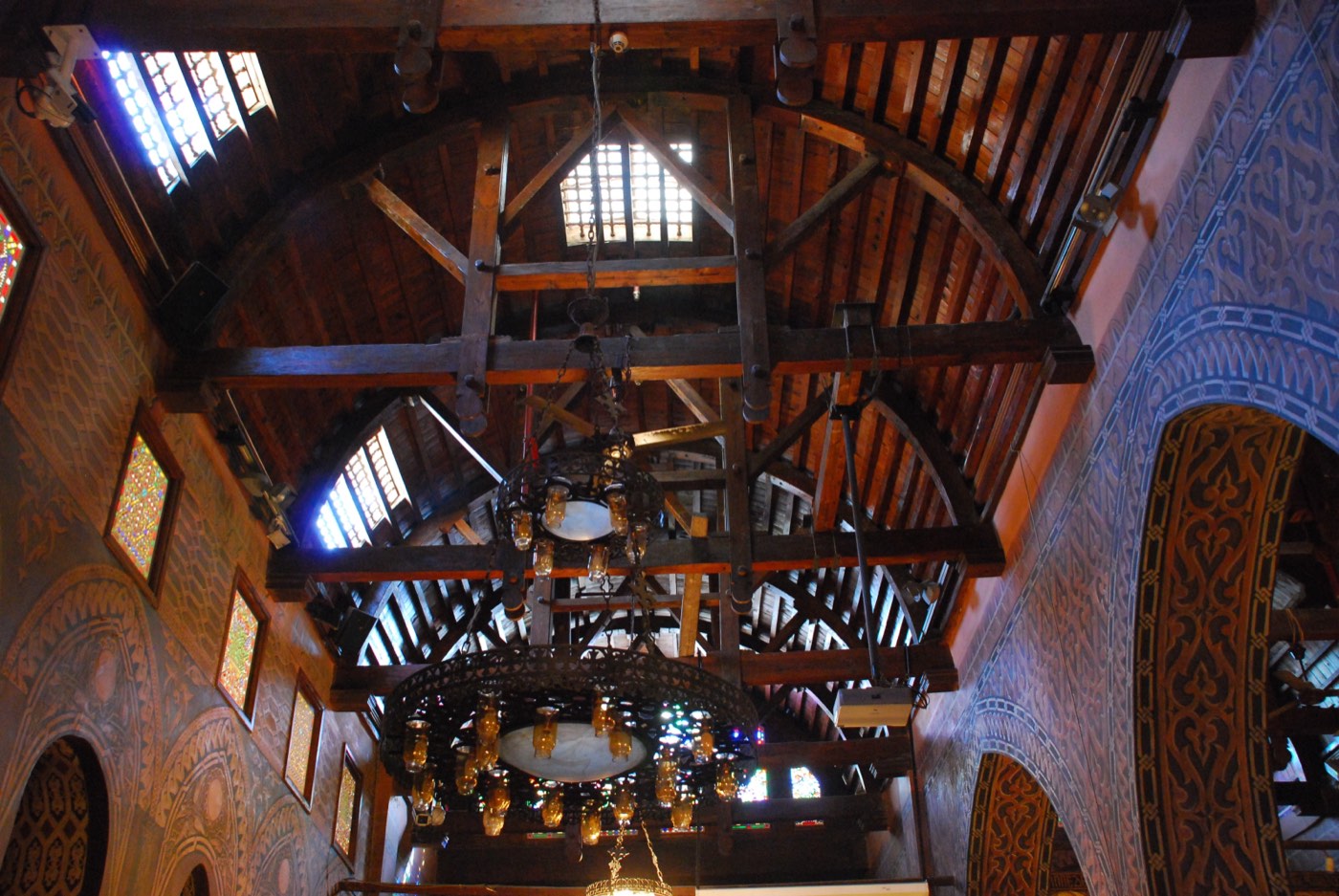
The Hanging Church, Ben Ezra, the Coptic walking quarter, the Citadel of Saladin, Sultan Hassan, Al-Muizz Street and the Khan el-Khalili after dark with realistic haggle ranges.

Checked Apr 2026 · M.S.Open section →
Luxor · 28 notes

Luxor, Karnak and the Theban necropolis

Karim's main beat. The Theban temples on the east bank, the Valley of the Kings and Queens, Hatshepsut, Medinet Habu, the Ramesseum, plus the Luxor museums and the east-bank logistics.

Karnak Hypostyle Hall
East bank · 10 notes

Karnak and Luxor Temple

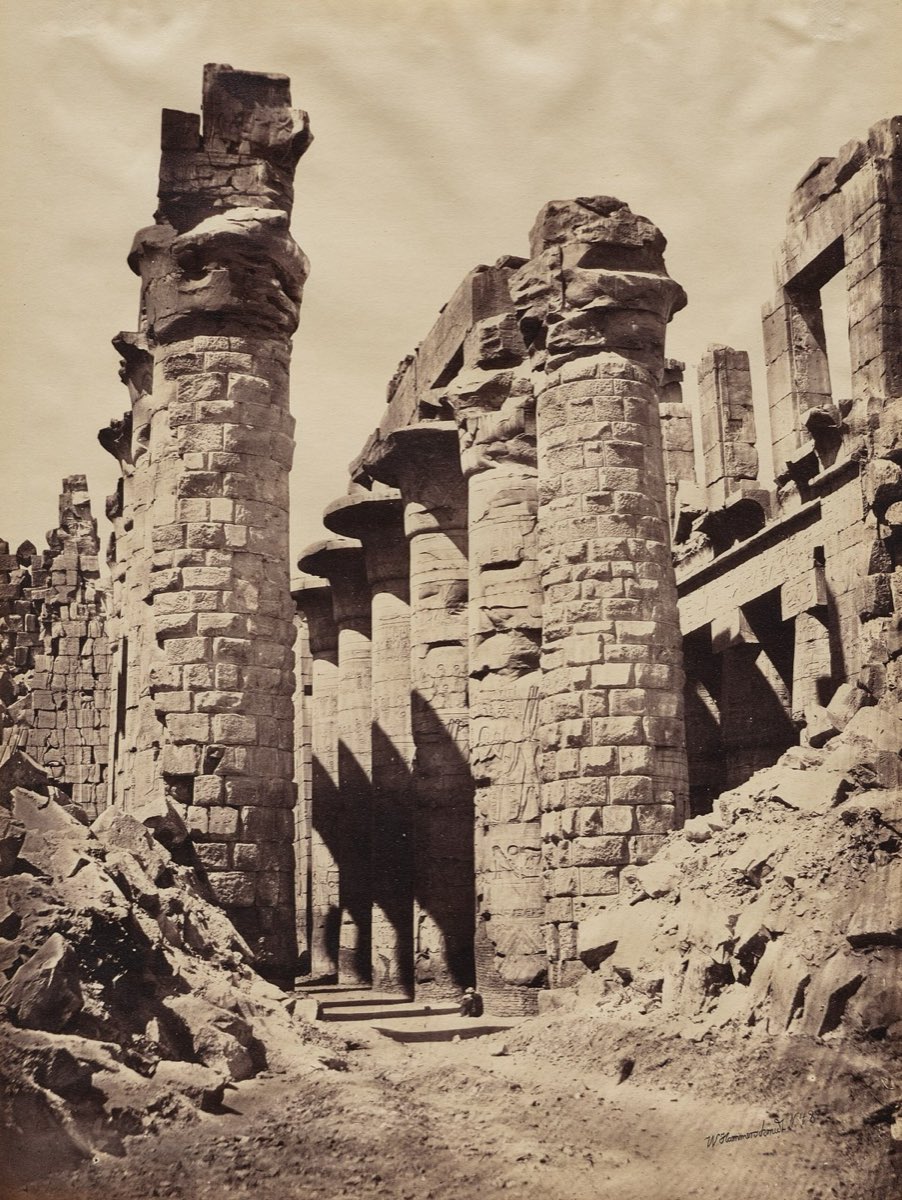
Karnak with the Hypostyle Hall, the Sacred Lake, the open-air museum and the talatat reconstruction; Luxor Temple morning and evening; the Avenue of Sphinxes; the Luxor and Mummification museums.

Checked Mar 2026 · K.A.Open section →
Valley of the Kings
West bank · 12 notes

The Valley of the Kings and Queens

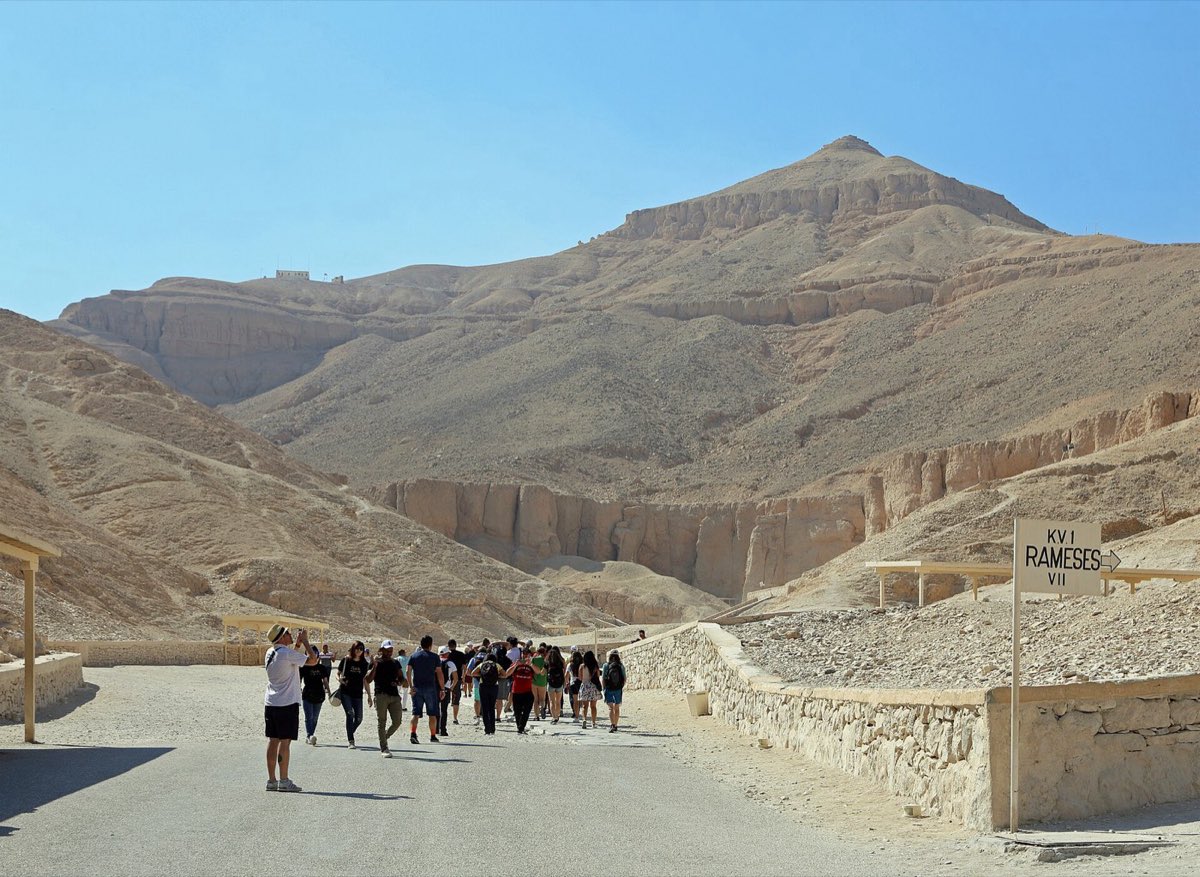
The general ticket and what it includes, the Seti I supplement (worth it), Nefertari (photography rules tightened April 2026), Tutankhamun (skippable), Ramses VI, and the SCA tomb-rotation cycle.

Checked Apr 2026 · K.A.Open section →
Hatshepsut temple
West bank · 6 notes

Hatshepsut, Medinet Habu, the Ramesseum

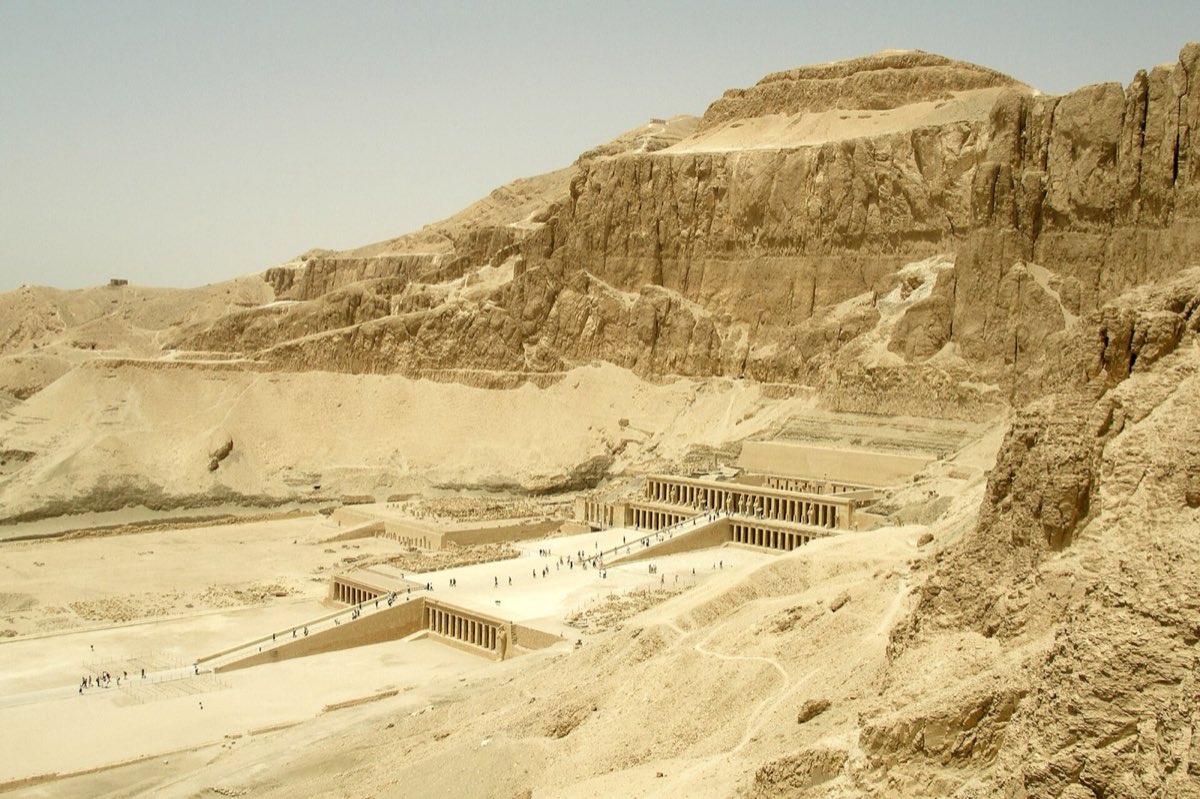
Deir el-Bahari, Medinet Habu with the Sea Peoples relief, the Ramesseum, the Colossi of Memnon, Deir el-Medina, the Tombs of the Nobles cluster.

Checked Mar 2026 · K.A.Open section →
Aswan, Nubia & the cruise leg · 18 notes

Aswan, Philae, Abu Simbel and the river temples

The far-southern beat. Aswan as a city, the temples reached by boat, the High Dam, Abu Simbel by convoy and by flight, the Nubian Museum, and the river-side cruise-stop temples at Edfu, Esna and Kom Ombo.

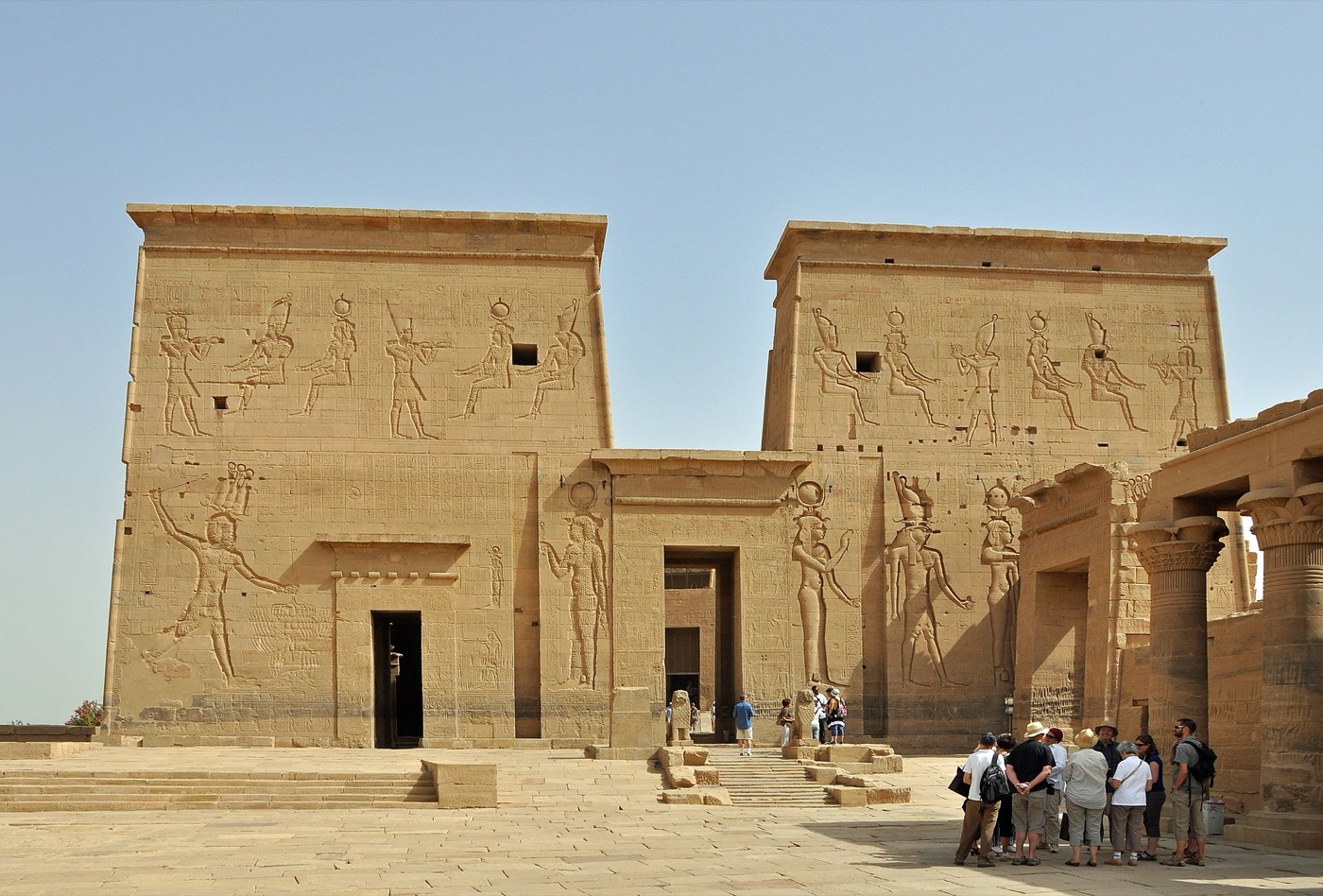
Philae temple
Aswan · 9 notes

Boats, islands and the Nubian Museum

Philae (morning visit recommended over the evening show), Elephantine Island, Kitchener's Island, the Nubian Museum — one of the strongest notes in the archive — the unfinished obelisk, the High Dam.

Checked Feb 2026 · K.A.Open section →
Abu Simbel
Nubia · 5 notes

Abu Simbel and Lake Nasser

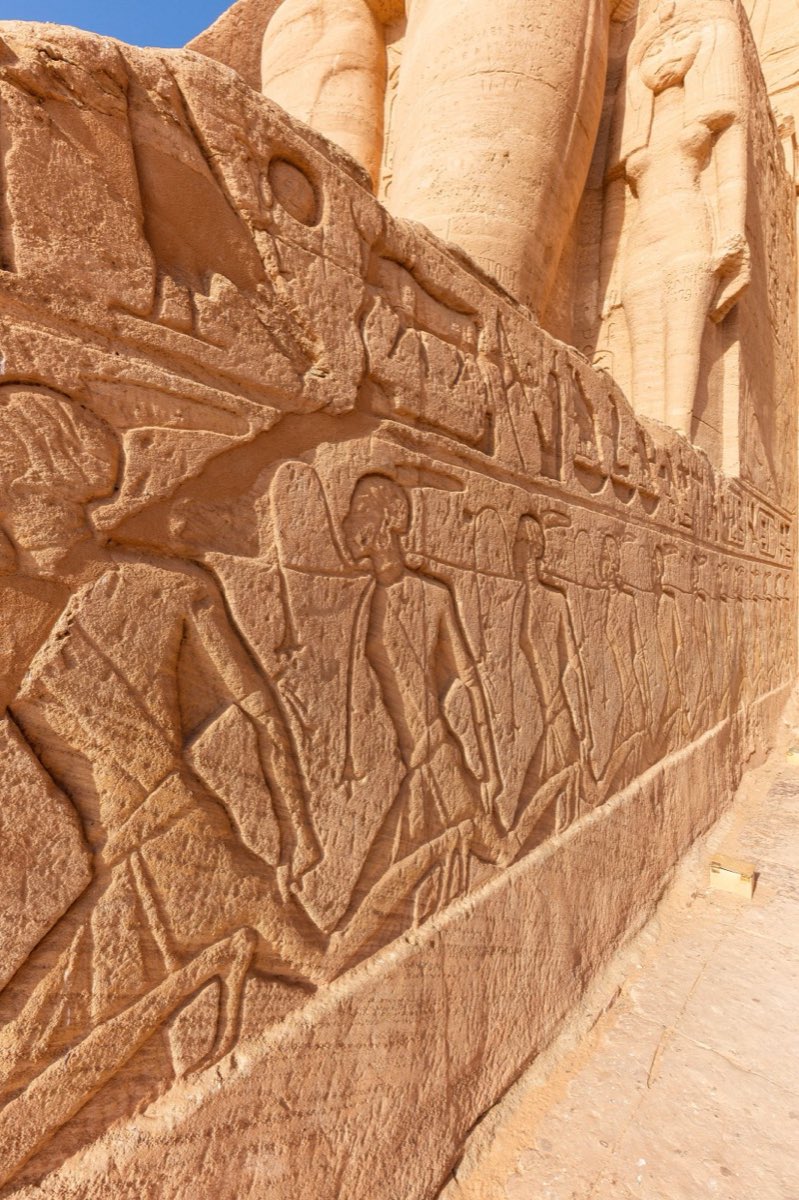
Both temples at Abu Simbel, the 04:00 convoy versus the flight, the equinox solar alignment (22 Oct and 22 Feb, sells out three months ahead), and the Lake Nasser cruise stops.

Checked Feb 2026 · K.A.Open section →
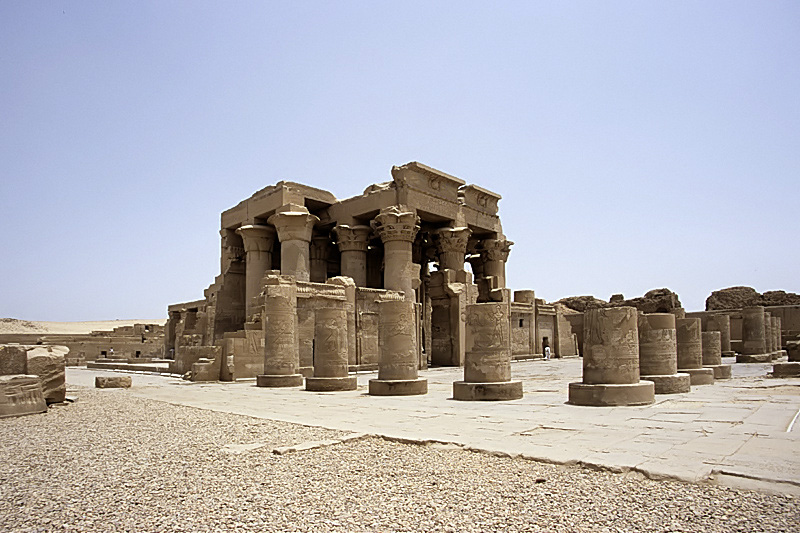
Kom Ombo temple
Nile leg · 4 notes

Edfu, Esna, Kom Ombo, Dendera

The river-side temples every Nile cruise stops at, plus Dendera as a day trip from Luxor for the painted ceiling. All reachable independently by train and taxi if you are not on a cruise.

Checked Feb 2026 · K.A.Open section →
Alexandria & Sinai · 18 notes

Alexandria, the Sinai and the wider region

Mona's regional beat. Alexandria with the Bibliotheca and the Greco-Roman Museum, the catacombs and the Roman amphitheatre, plus the Sinai monastic sites and the practical place notes.

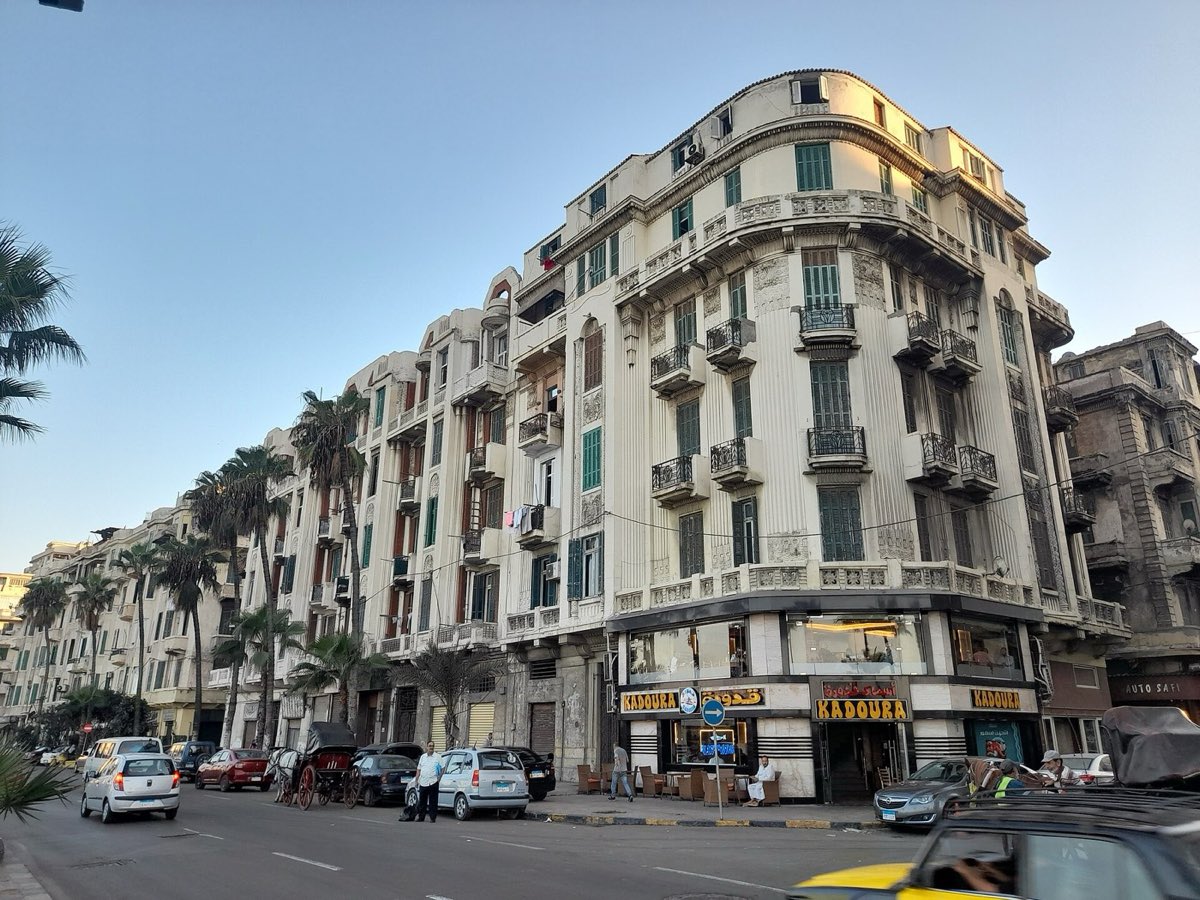
Alexandria corniche
Alexandria · 11 notes

Bibliotheca, museums and the corniche

The Bibliotheca Alexandrina and its embedded museums, the Greco-Roman Museum (reopened 2023), the catacombs of Kom el-Shoqafa, Pompey's Pillar, the Roman amphitheatre, Fort Qaitbey and the Bahari fish evening.

Checked Mar 2026 · M.S.Open section →
Sinai mountains
Sinai · 4 notes

Saint Catherine's and Mount Sinai

Saint Catherine's Monastery with the icon collection, the Mount Sinai overnight climb, Dahab and Sharm as base towns, and the Ras Mohammed snorkelling note.

Checked Jan 2026 · M.S.Open section →
Practical notes
Practical · 3 notes

Before the trip and the month guide

The practical pre-trip basics — visa, SIM, money, taxis, dress code, water — and the month-by-month weather, crowds and closures. Re-checked twice a year.

Checked Apr 2026 · T.A.Open section →

The check cycle — how the archive stays current

Pass4Museum stays current two ways: the volunteers re-walk notes on a published cycle, and the readers correct them between walks. The cycle is the same internally as it is here — there is no fresher tier held back from anyone, because there is no paid tier. Busy Cairo and Luxor notes are re-walked each season; mid-traffic regional notes twice a year; quieter notes once a year. When the Supreme Council of Antiquities changes a ticket price or a tomb-rotation schedule, the affected notes are updated within a week and the change is logged where readers can see it.

SectionNotesLast checkedHow often
Collection Notes18April 2026Each season (Cairo) / twice a year (regional)
Site Notes30March 2026Each season (Cairo/Giza) / twice a year (south)
Route Notes11April 2026Twice a year
Place Notes15February 2026Once a year
Before the Trip1 masterApril 2026Twice a year
Month Guide1 masterMarch 2026Twice a year
Kids' Corner10March 2026Once a year

Notes checked less than ninety days ago are current; the rest are fresh until their next scheduled walk. Anything readers flag in between is verified and corrected within a working week. The whole point of the cycle, plus the reader corrections, is that an unattended free archive becomes stale within eighteen months, and a stale archive that looks current is worse than no archive at all. Between them, the cycle and the readers keep Pass4Museum honest about its own freshness.

How a single note is built and kept

Each note starts as a visit by a volunteer who bought an ordinary ticket and walked the place, with the photograph taken on the visit, a check against the running register of opening hours and prices, and a plain-language edit by Mona before it goes live. After that, the note belongs partly to the readers — every recent visitor who writes in with a change adds to it, and Tarek verifies and merges the correction within a week. Nothing is sponsored, nothing is comped, and the verdict is whatever the volunteers and readers actually found. The effort per note is roughly eight to twelve volunteer-hours up front, plus the ongoing trickle of reader corrections — which is why a small group keeps a careful 98-note archive rather than a sprawling thousand-note one.

The shape of every note is deliberately identical — opening hours and ticket breakdown, then the verdict, then the side door, then the last-checked date and the volunteer's initials, with any reader corrections at the top. A note you read on a phone at the museum gate needs to be predictable; you should never hunt through it for the ticket price. The prose is kept plain and short because the job is to answer, in under a minute, the few questions you actually have between the taxi and the ticket booth — not to write travel literature.

What "reader-built" actually means in practice

The phrase appears on every page of this archive, and it is worth being concrete about what it involves, because it is the single thing that separates Pass4Museum from the affiliate-driven pages that crowd the search results. Each note begins life as a volunteer's visit — a normal adult ticket, the queue like everyone else, the full recommended time inside, and a notebook recording the things the official signage leaves out. But the note does not stop there. It is published with a clear last-checked date and an open invitation for the next reader who visits to write in with anything that has changed: a ticket price that moved, a tomb that closed, an entrance rerouted around building works, a restaurant that shut. Each correction is verified and merged with the date.

That is the reader-built part, and it is the reason a small volunteer group can keep a careful archive current. A purely volunteer-walked archive goes stale between visits; a purely reader-submitted archive has no editorial spine and fills with noise. Pass4Museum sits between the two — volunteers write and re-walk the notes on a published cycle, and readers keep them honest in the weeks between. The more people use the archive, the more accurate it becomes, which is the opposite of how a stale brochure ages. Over the three years since we started, readers have contributed hundreds of corrections, and a good number of the notes now read better than the volunteer's original draft because of them.

Why the archive is 98 notes and not a thousand

A commercial travel site is rewarded for volume — more pages mean more search traffic mean more advertising or affiliate income. Pass4Museum has no such incentive, and the absence of it shows in the size of the archive. We cover thirty places carefully rather than three hundred badly, because the careful coverage is the entire value. A note that has been walked, dated, corrected by readers and re-walked on a cycle is worth more to a traveller than fifty notes scraped from press releases and never verified. The 98-note ceiling is roughly what a small group of unpaid volunteers, helped by readers, can keep genuinely current — and we would rather hold that line than dilute it.

This also shapes what we choose to cover. We write about the places along the Cairo-to-Aswan corridor that most readers actually travel, plus Alexandria and the Sinai monastic sites, because those are the places our volunteers can reach and our readers actually visit, so the corrections keep coming. We do not write about places we cannot keep current, however interesting, because a note we cannot keep accurate is a note we cannot stand behind. When a reader asks for somewhere new, it goes into the queue, and it gets written only when a volunteer can commit to walking it and a flow of reader visits can keep it fresh.

How to read a Pass4Museum note

Each note follows the same shape, on purpose, so you can find what you need fast. It opens with the practical line — opening hours and the ticket breakdown in Egyptian pounds, including the supplements and the student rate. Then the verdict: what is worth the time inside, what is worth the supplement, what is honestly skippable. Then the side door — the one practical trick that saves a queue or an hour. Then the meta line at the foot: the date the note was last checked and the initials of the volunteer who wrote it, with any reader corrections sitting at the top with their own dates. If a recent visitor has flagged a change, you see it before anything else.

The shape is deliberately boring, because a note you read at the museum gate on a phone needs to be predictable. You should never have to hunt through a note for the ticket price or the opening hours — they are always in the same place. The prose is kept plain and short for the same reason. We are not trying to write travel literature; there are better writers doing that. We are trying to answer, in under a minute, the few questions you actually have between the taxi and the ticket booth — and to let the next reader make that answer a little better.
All 98 notes are open to read.

No account, no paywall, no advertising. Start with the section that matches your trip, or write in if the place you want is not yet covered.

Open the archive