Pass4Museum
The colossal statues of Ramses II at the temple of Abu Simbel
A reader-built archive · Zamalek, Cairo · est. 2023

A free archive of notes on Egypt's museums and ancient sites.

Pass4Museum is a free, reader-built notes archive on Egyptian heritage, kept by volunteers in Zamalek. Each note is walked by a volunteer, written in plain language, and corrected by the readers who visit after — a slowly improving record of what each museum and site is really like to visit. Everything is open to read, with no advertising, no commission from any tour or hotel, and no paywall. The spring 2026 archive holds 98 notes across 30 places.

98Reader-built notes
30Places covered
2023Archive started
How a note is built

Walked once, corrected by everyone after.

A Pass4Museum note starts as a single volunteer's visit and improves with every reader who writes in afterward. That is the reader-built part — the archive gets more accurate the more people use it, because each correction from a recent visitor is merged into the note with the date. Nothing is sponsored, nothing is comped, and the verdict is whatever the volunteers and readers actually found on the ground.

1

A volunteer walks it

A volunteer buys an ordinary ticket and walks the museum or site, noting the things the official signage leaves out — the queues, the side door, the room worth the hour, the real cost once supplements are added.

2

The note goes live

It is written in the same shape every time — hours, ticket breakdown, verdict, side door, the date it was last checked — so you can find what you need in seconds on a phone at the gate.

3

Readers correct it

Visitors write in when something has changed — a new ticket price, a closed tomb, a moved entrance. We verify and merge the correction within a week, crediting the reader who flagged it.

4

Volunteers re-walk it

On top of the reader corrections, volunteers re-walk the busy sites each season and the quieter ones twice a year, so a note never quietly goes stale between visits.

From the archive

Eleven notes, recently checked

A slice of the open archive, re-checked during the spring 2026 round. Each note on the live archive carries the current opening hours, a ticket breakdown in Egyptian pounds and a paragraph from the volunteer who walked it, plus any reader corrections. The previews here lead to the full notes in the relevant section.

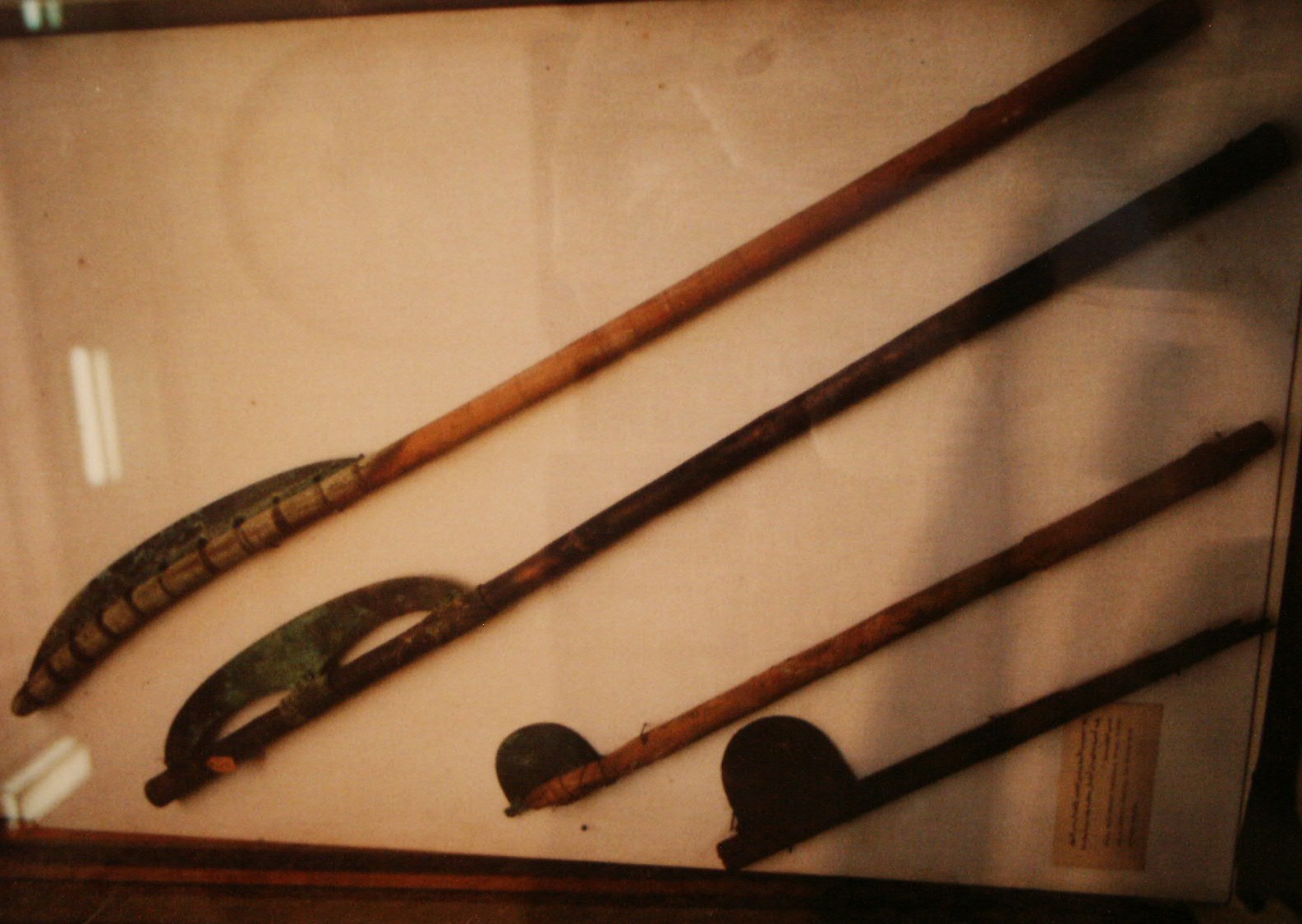
Bronze weapons in the Egyptian Museum of Cairo
Cairo · Museum

The Egyptian Museum, Tahrir

Two and a half hours if you head straight for the second-floor jewellery rooms. The basement turns humid on rainy days. The left desk sells the camera permit without the main queue.

Checked Apr 2026Open note →
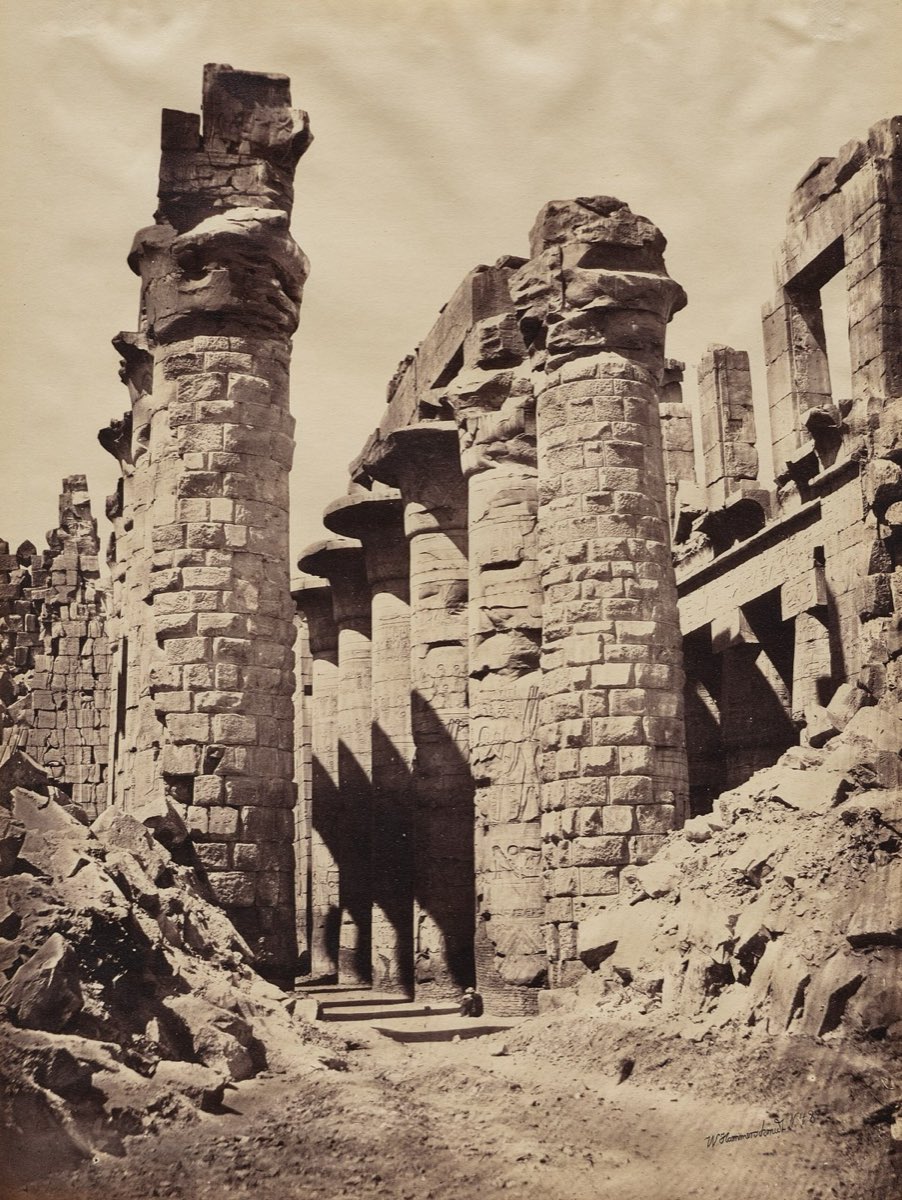
The Hypostyle Hall of Karnak
Luxor · Temple

Karnak Temple Complex

Arrive at 06:45 and the Hypostyle Hall is empty for forty minutes. The open-air museum near the inner enclosure has a small separate ticket and is easy to miss; it is worth it.

Checked Mar 2026Open note →
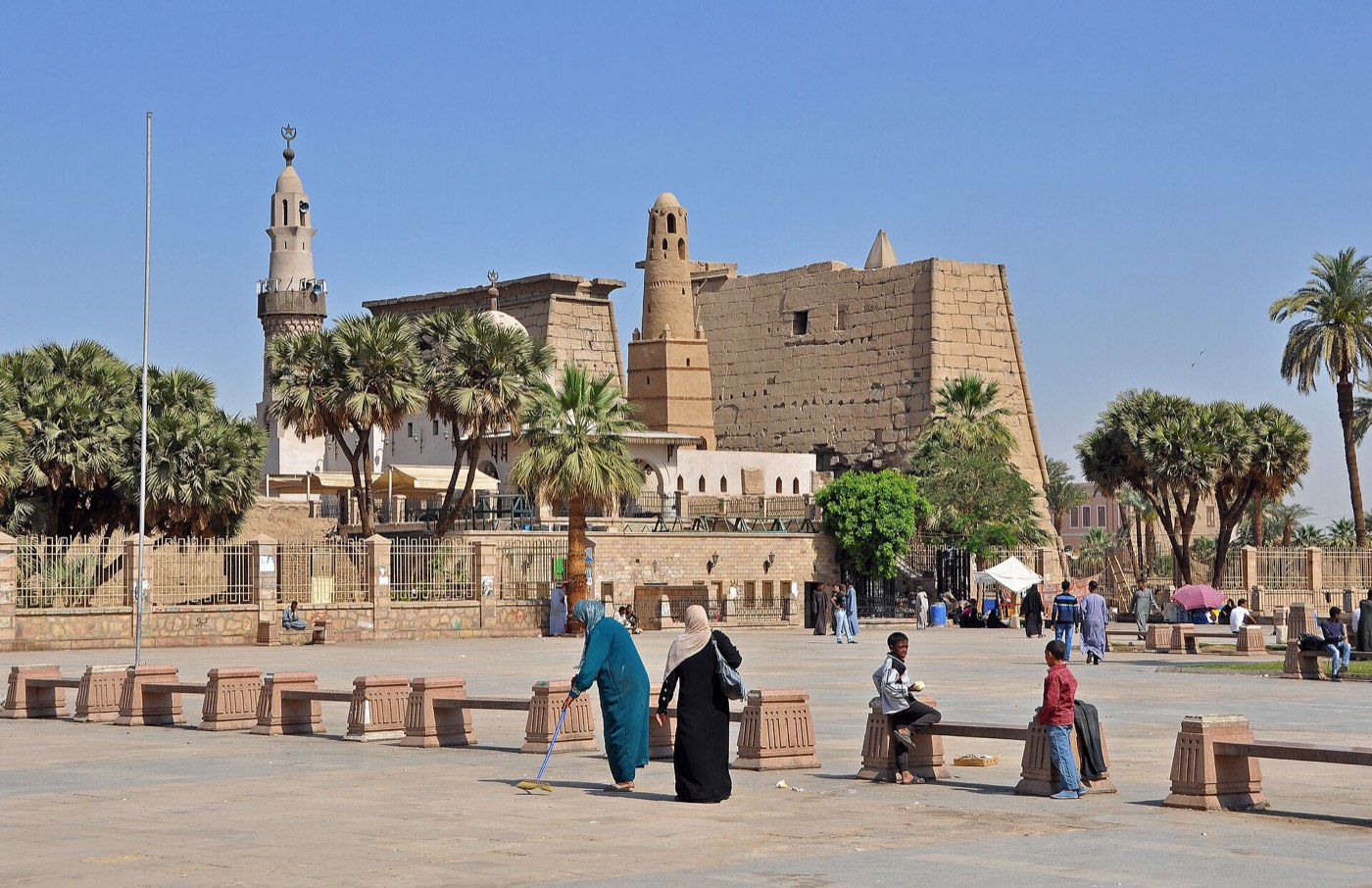
Luxor Temple at the entrance pylon
Luxor · Temple

Luxor Temple, Corniche

Best after dark, between 18:30 and 20:00, when the columns are lit. The combined Luxor + Karnak ticket saves about a third. Avoid the open courtyards at midday in summer.

Checked Apr 2026Open note →
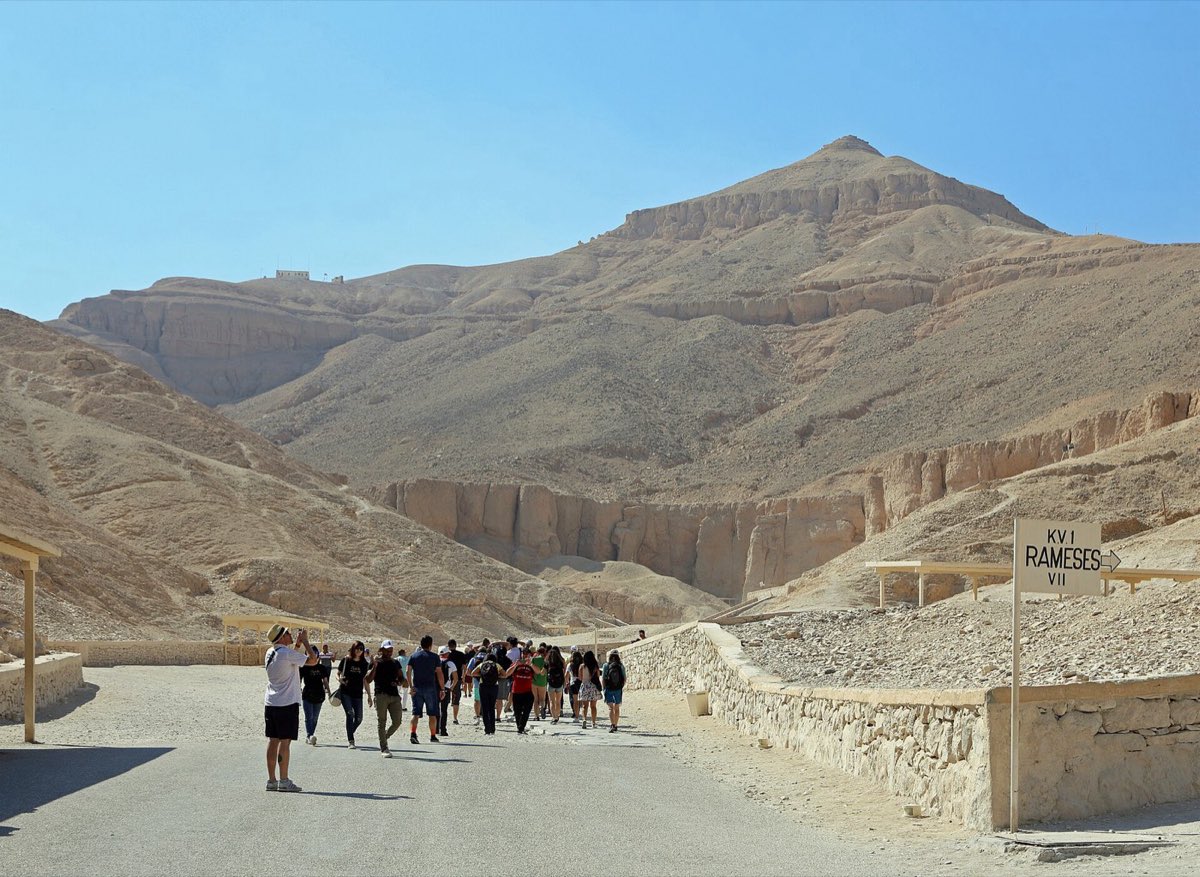
A royal tomb entrance at the Valley of the Kings
West Bank Luxor

The Valley of the Kings

The general ticket covers three tombs. Pay the supplement for Seti I; skip the one for Tutankhamun — the chamber is small and the photos you've seen are better than the visit.

Checked Apr 2026Open note →
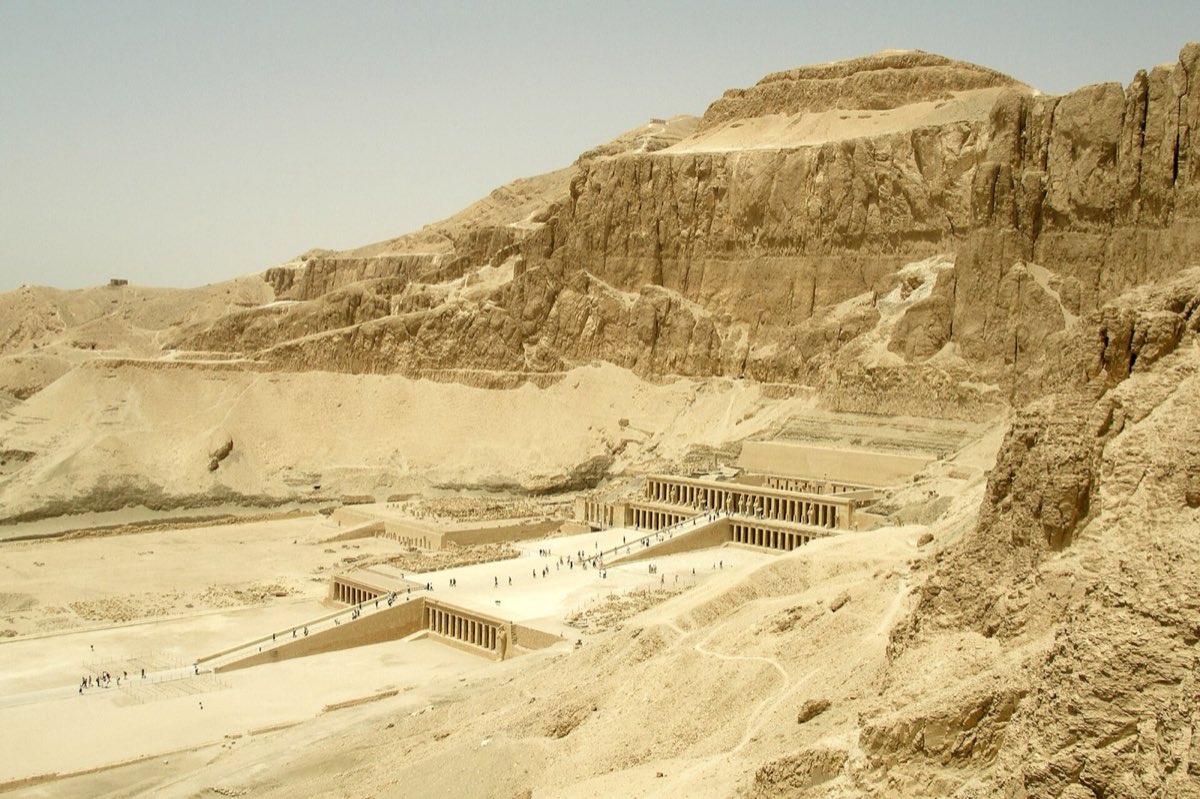
Temple of Hatshepsut at Deir el-Bahari
West Bank Luxor

Temple of Hatshepsut

Almost no shade. Visit before 09:00 or after 16:00. Pay the small shuttle fee from the gate — the walk is unpleasant in any season. The Punt relief on the middle terrace is the highlight.

Checked Mar 2026Open note →
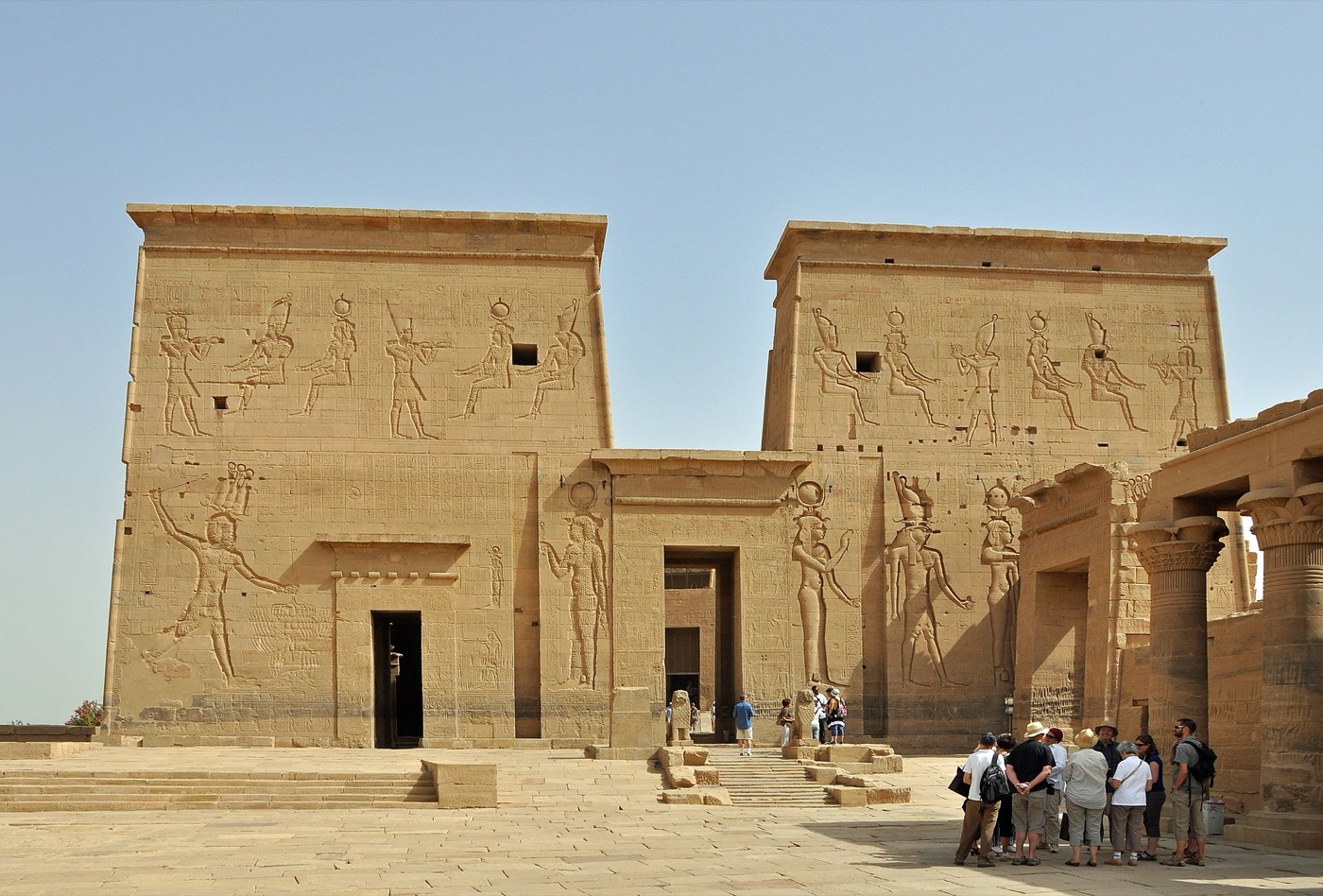
The Philae temple complex near Aswan
Aswan · Temple

Philae Temple, Agilkia Island

The boat ride from Marsa is part of the value; agree the fare first. Late-afternoon light at 16:00 flatters the carvings. The southern landing has cheaper boats than the front jetty.

Checked Feb 2026Open note →
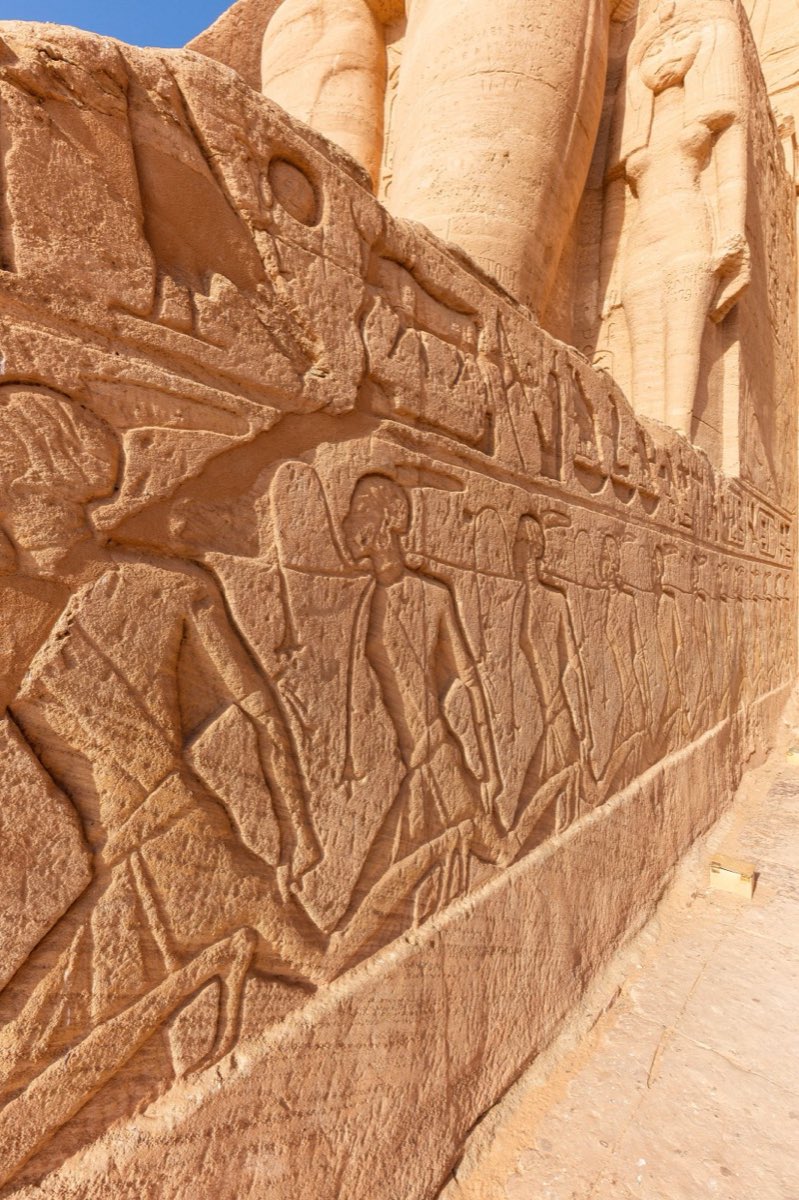
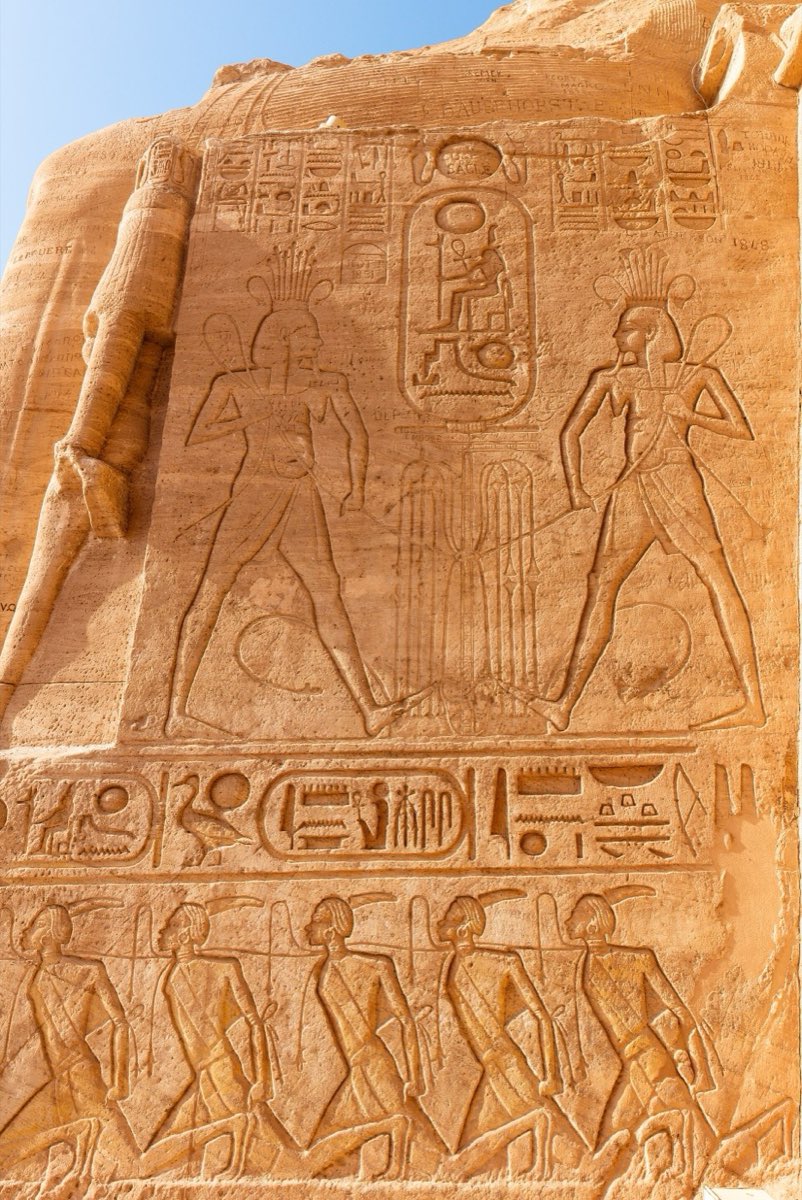
Statues of Ramses II at Abu Simbel
Nubia · Temple

Abu Simbel Temples

The 04:00 road convoy from Aswan is still cheaper than a flight and gives you ninety minutes on site. Both temples fit easily — don't skip the smaller Nefertari temple. Bring a hat.

Checked Feb 2026Open note →
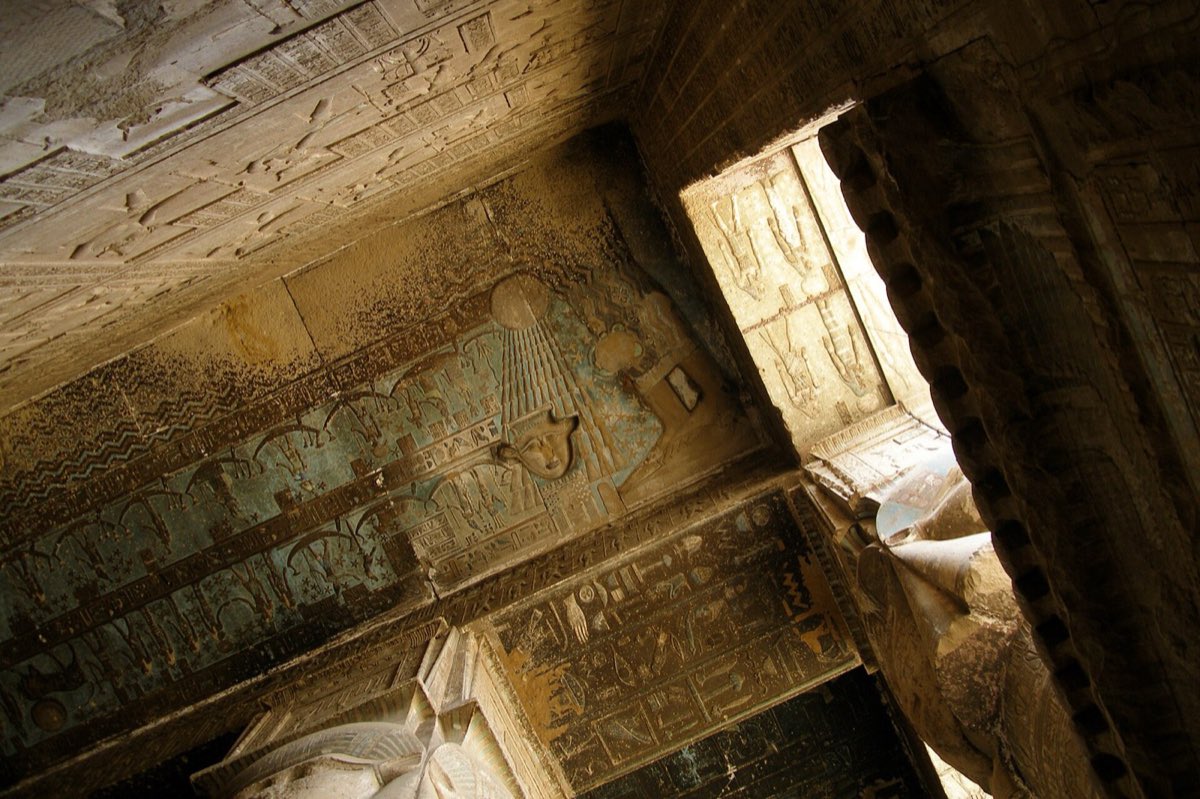
The painted ceiling of the Temple of Hathor at Dendera
Sohag · Day trip

Dendera, Temple of Hathor

The painted astronomical ceiling — cleaned to near-original brightness in the 2018–2021 campaign — is the best-preserved colour programme on any temple ceiling in Egypt. A three-hour round trip from Luxor.

Checked Mar 2026Open note →
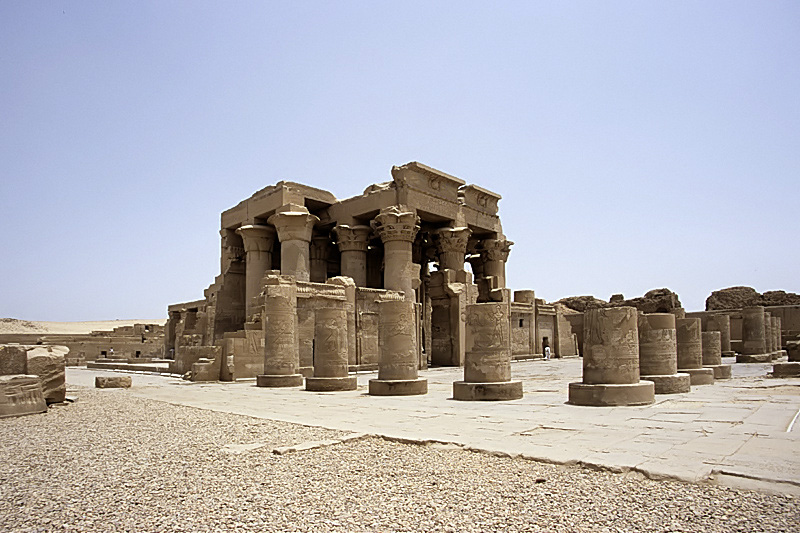
The double temple of Kom Ombo
Nile · Cruise stop

Kom Ombo

The double temple of Sobek and Horus, best at sunset. The small crocodile museum next door is included in the ticket. Reachable independently by train and taxi if you're not on a cruise.

Checked Feb 2026Open note →
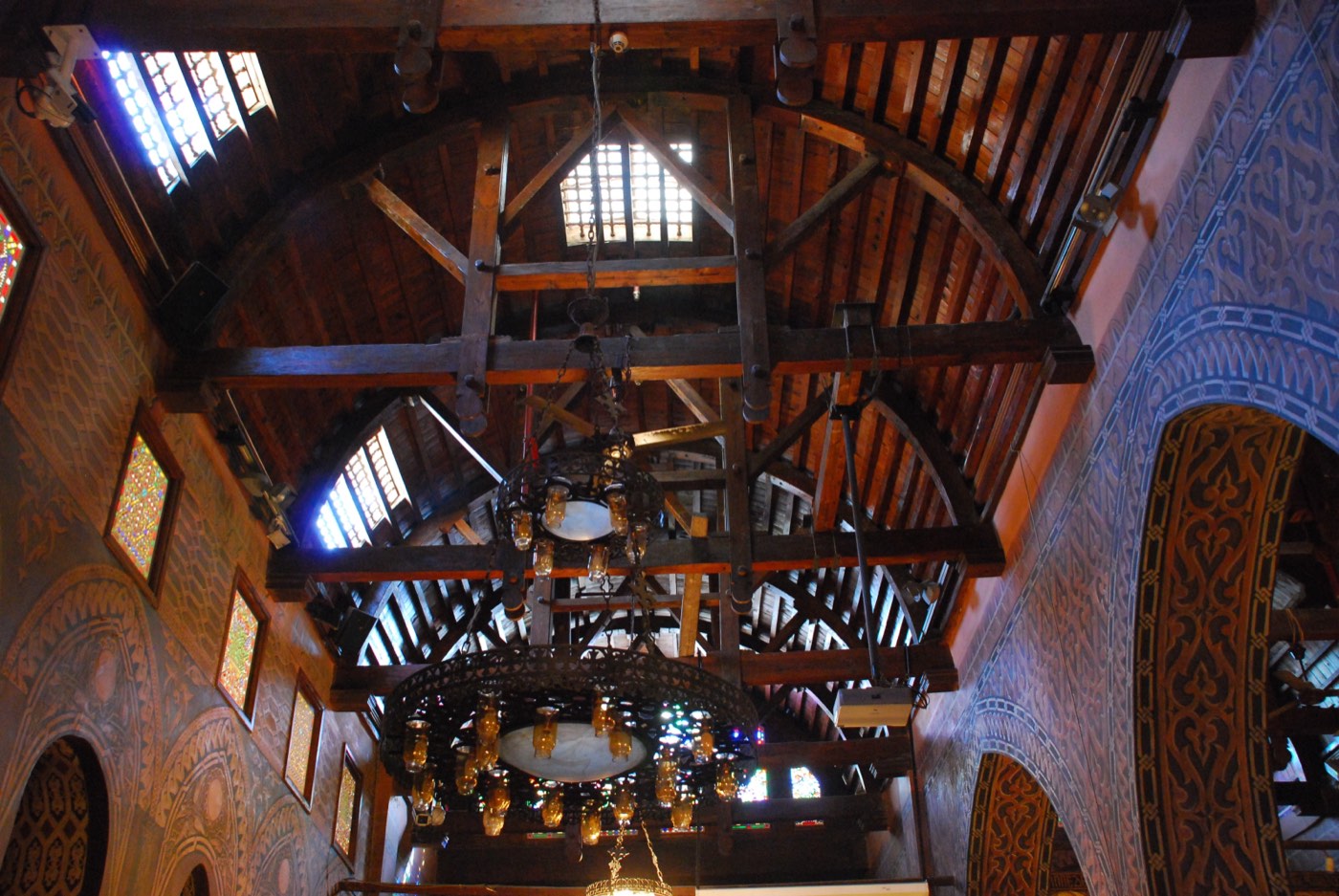
The Hanging Church in Coptic Cairo
Cairo · Old Cairo

Coptic Cairo Walk

Three churches plus the Coptic Museum in roughly two hours. Closed-toed shoes only inside the Hanging Church. The metro stop (Mar Girgis) drops you at the gate; no taxi needed.

Checked Apr 2026Open note →
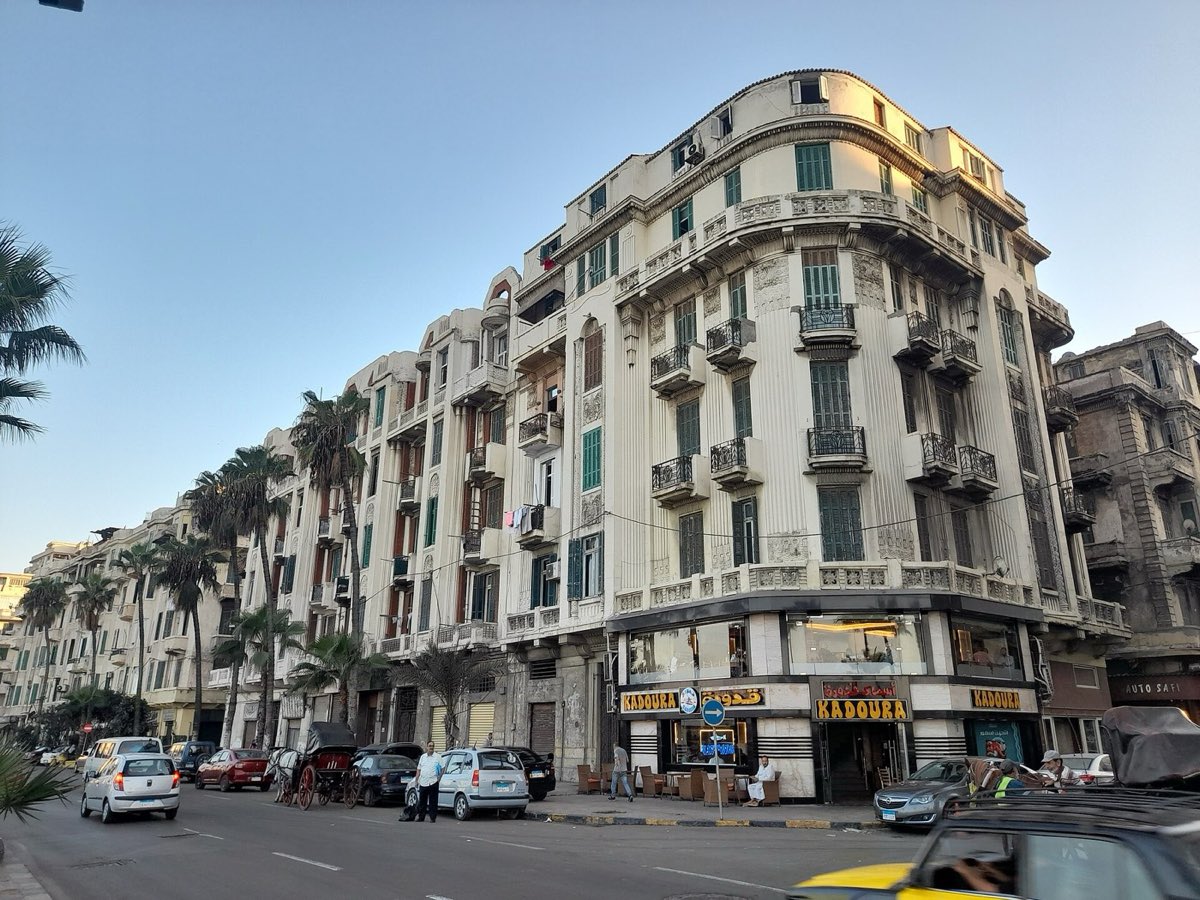
A Mediterranean corniche in Alexandria
Alexandria · Coast

The Alexandria Corniche

The seafront from Mansheya to Bahari is the best urban walk in Egypt. Fish for dinner in Bahari, fuul and ta'meya for breakfast in Saad Zaghloul. The breeze is a relief from Cairo's heat.

Checked Mar 2026Open note →

See the full open archive

Seven sections

How the archive is organised

The archive is large enough to be daunting, so every note is filed into seven sections, each answering a specific question a visitor actually has. You do not need 98 notes for a three-day trip; you need the handful that match your mornings and the couple that solve your afternoons. The sections do that sorting. All of them are open — no account, no paywall, no hidden tier.

Collection Notes

The major museums in Cairo, Alexandria, Luxor and Aswan — what each ticket includes, the room worth your hour, the side door that skips the queue.

Site Notes

The pyramids, temples and valleys — the practical visit information and the best window of the day to dodge the heat and the buses.

Route Notes

Worked one-day and multi-day plans for Cairo, Luxor, Aswan and Alexandria, timed in real minutes with named lunch stops and honest transfer times.

Place Notes

Neighbourhood and region notes — Coptic Cairo, Islamic Cairo, the Khan, the Luxor corniche, Aswan as a river city, the Alexandrian seafront.

Before the Trip

The practical pre-trip basics — visa, SIM, money, taxis, dress code, water, tipping, useful phrases. Re-checked twice a year.

Month Guide

Month-by-month notes on weather, crowds, closures, the cruise season and the dust-storm window — so you pick the right weeks.

Kids' Corner

Notes re-tagged for families — which museum has interactive rooms, which site has shade, which restaurant near each site has a children's menu.
Common questions

What readers ask first

Is the whole archive really free?

Yes. Every note is open to read, with no account, no paywall and no advertising. Pass4Museum is volunteer-built and covered by a small transparent fund described on the free for all page. We sell nothing, take no commission on bookings, and run no sponsored content. The only thing we ask is that you flag a note when it goes out of date.

What does "reader-built" mean?

Each note starts as a volunteer's visit, but it improves with every reader who writes in afterward. When a recent visitor tells us a ticket price changed or a tomb closed, we verify it and merge the correction into the note with the date and, if they agree, their name. So the archive gets more accurate the more people use it — that is the reader-built part.

Do you sell tours or tickets?

No. Pass4Museum is not a tour operator, not a ticket reseller and not a booking agent. It is a reader-built archive kept by volunteers. When a note recommends something — a felucca landing, a restaurant near a museum — the recommendation is unpaid and the named business has no relationship with us.

How current are the notes?

Every note is dated. Volunteers re-walk the busy sites each season and the quieter ones twice a year, and reader corrections are merged within a week between those walks. The last-checked date sits at the foot of every note, and anyone can flag something out of date through the write-in page.

Who keeps the archive?

A small group of Cairo-based volunteers — a museum studies graduate, a licensed guide, a translator and a teacher — plus the readers who write in. None of us is paid by a tour operator or a hotel. We started the archive in 2023 because the free information about visiting Egypt was either thin and stale or stuffed with affiliate links.

Ask a question that's not here

Open the section that matches your trip.

Planning museums? Start with Collection Notes. Heading south? Site Notes. Travelling with kids? Kids' Corner. Everything in the archive is free.

Open the archive